“I think what you did last night was absolutely necessary. I’m with you. It was a very strong response”.
At first I thought what a child. But then I realised that the reaction of European leaders is the same.
The refusal to stand on their own feet.
On the one side, I understand the american anger. What would be the reaction in Europe if
for example we would keep European military forces for more then 80 years in the US, after helping them to fight a possible agressor ?
The ambivalent attitude of Trump leads to contradictions for the European leaders. How to respond ?
What is the answer ?
The aggravating energy can be replaced by energy to act independently.
This positive energy can be shaped by trying to create an independent defense Union.
And I think that the vision of the creator of the EU Monnet, our réal father, can help us to find a new way.
A joint Defense Union, like the internal market ánd the EMU, will be móre than the addition sum of all national expenditures.
This week the need to think European in framing a Defense Union yet another time is endorsed in this article in the NRC. The tendency to look to national providers of defense equipment leads to huge waste of money. And cost ineffectiveness.
The quintessence is an idea. It starts with a moral. That shapes the way we think and build our future.
I propose that the European leaders go to the place where Monnet lived for most of his life.
The Jean Monnet House in Houjarray in the Municipalilty of Bazoches-sur-Guyonne, region Yvelines. 40 km west of Paris.
Somewhere in that area there is a chapel – I couldn’t find it now anymore, but a person more interested can definitely find it- where you can see his moral backgrounds. He was a deeply religious person.
More on this subject, you will find in the following article, which I published several weeks ago.
The ‘raison d’être’ of the European Union and its predecessor the EC was to overcome the eternal rivalry and conflicts between Germany and France, which had resulted in three major wars.
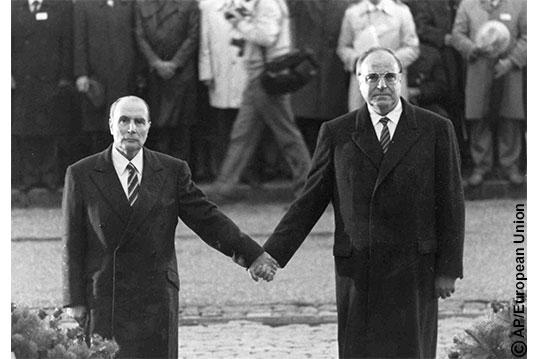
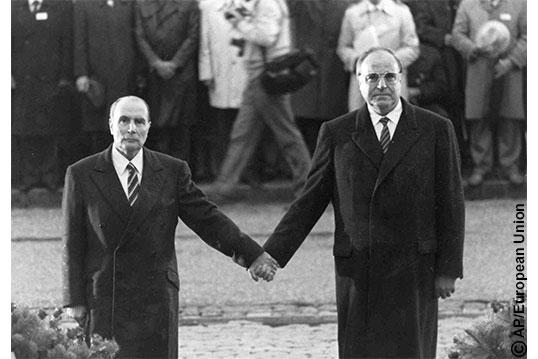
The EU was succesful in that, visualised by the epic handshake between the resp. former leaders Kohl and Mitterand.
In his article I will reflect on the present situation of the Union, its challenges and take a daring but visionary perspective.
The present situation
In many ways the EU can be considered a great success.
Internal tariffs were abolished in the first phase, from 1957 to 1970 over a period of twelve years. A common external tariff took the place over. Besides a common agriculural policy was created.
Prosperity rose incredibly in the sixties. Fridges, television sets etc came within the reach of millions of Europeans. The agriculture was mechanized. The plougher with horse was replaced by a tractor.
It is worth mentioning in this respect that part of this success is certainly owed to the Marshall plan of the US. To restore a European continent that was in tatters afther WW 2 by providing financial assistance, which was in the interest of the US.
The ‘Schuman’ declaration on 9-th of May 1950 can be considered as the origin of the European integration. Schuman was the ‘embodiment’ of the European idea. He had the German nationality, was born in Luxembourg, and naturalised as a French citizen after the return of Alsace-Lorraine to France as a result of the ending of WW I. He became minister of External Affairs of France.
The declaration was composed in close cooperation with Monnet, a higher ranking French official.
The declaration proposed the creation of a European Coal and Steel Community. A model bringing the heavy industry of the former rivals Germany and France under a joint Authority (ECSC). In order to prevent war in Europe forever.
The ECSC can be seen as the precursor of the above mentioned EC, which was founded in 1957.
Two important words of the Schuman declaration
In French, like the declaration was:
“la seule unification de l‘Europe ne peut pas être réalisée dans un seul coup, ni être provoqué par une création englobante. L’Europe unifié devra sortir en réalisations concrètes, où il faudra prendre comme point de départ la solidarité reélle.”
The unity of Europe can only emerge by concrete achievements, whereby it is necessary to take genuine solidarity as a starting point.
This implies that the unity of Europe is achieved step-by-step.
The EU; a economic giant with feet of clay
The GNP of the EU is approx. 18 billion euro. It is one of the largest economies in the world. A comparison. The GNP of the US is 32 billion euro and China 22.
In trade. The EU is the largest exporter of goods and services in the world. 14 % of world trade. As regards goods, the US is our main importer. Followed by China. As regards services, the US as well as the UK are 1 and 2 on the list. Most EU-countries export between 50 % en 80 % of their goods to other member-states.
The population in the EU amounts to almost 450 million. 5,5 % of the world population. It is expected that until this year (2026) the nummer will grow steady and then fall to 420 million in 2100 [1].
The challenge. ‘Power is rarely shared voluntarily’
Pre-eminently the member-states are capable of further political and defense integration.
For they are the original countries in Europe -France and Germany- who after fighting three devastating wars (of which two were global) decided to create a Community in the fifties.
To overcome the hostilities, and create an ever lasting co-operation. In the first place in commodities which stand in the production of military goods, coal and steel.
Isn’t a political and defense union a logical step resulting from this ?
Paul Krugman, a former Nobel prize winner in economics, speaks in a recent interview in ‘the Melkweg’ in Amsterdam “that this is the demonstration actually of European potential independence. You don’t need the US to defend your Eastern gate”. “The US spends not any dollar anymore on Ukrain but with help of Europe Ukrain survives”. The EU ís a superpower if it chooses to be one. Both economically and demographically. It certainly has the resources to stand up against foreign agression, to stand up for democracy. It does not need the US”.
He speaks about “learned helplessness. Europe has too long relied on the US to take national security decisions, but now stand up for yourself”. Pretending that this is the America that you were used to, is just illusionary. And it delays the process to take things on your shoulders”.
The debate leader raised the suggestion on the end of the interview if “we in Europe don’t believe that we are a superpower and to make these big decisions”.
The sovereign national state is pre-eminent, states the scientist Zielonka in this article. But can national states still fulfill the traditional state functions on areas such as social, monetary or defense policy ?
He is making a plea for ‘the Fifth power’. The power of regional and local authorities, and NGO’s.
The confidence in the national state is dramatically low.
From the Eurobarometer the figures are clear. 52 % of all Europeans have trust in the EU, while confidence in the national governments ranges much lower 37 %, and parliaments 36 % [2].
Two of the major issues in European politics in the last decades, Schengen and the Euro have shown success. Of real solidarity. After deep crises. Ironically it were the issues that prompted the UK to leave. And now voices to reconsider it are increasing.
The monetary crisis revealed itself in Greece. This is the result.
Populist leaders as Wilders declared: “no euro anymore to the Greeks”.
Schengen, the free movement of the citizens within the European area, was threathened by national border controls. Please note the judicial verdict was on a border control in Schengen concerning a.o. a professor who visited a conference in ‘Schengen’.
From friend to foo. With an unimaginary speed the US of Donald Trump takes distance from, and criticizes Europe. He sees nothing in the European integration.
Yes, he has a point that Europe should not rely anymore, or at least partly, on its willingness to defend Europe.
But his and fe Vance’s criticism, and willingness to support extreme right to disorder Europe is unprecendented.
He threatens to invade Greenland, etc.
Economically he imposed tariffs on European export.
The support of the US for the defense of Europe is not evident anymore.
Russia stands at our front-door. The invasion of Ukrain now lasts for more than 4 years, longer than the duration of WW I. I think it is not realistic to think that Poetin will be prepared, or anyhow be reluctant, to negotiate to end the war in Ukrain. This is what Zelensky says continously.
His position in power is dependent on success in Ukrain. The present stalemate can only be changed from a position of strength.
In the world of the 21e century, other rules apply.
China is a economic and in the end political/military threat.
The Chinese policy to protect its home market is unequivocal. The European market on the other hand is flooded with cheap subsidized Chinese products. The position of several- fe German- industries is at stake.
Therefore we should emphasize reciprocity and levy import duties.
The other side is that China wants to obtain a position of power. And then use its possession of rare metals- the ‘oil’ of the 21th century- as an instrument of economic warfare.
The EU should insist on an equal-level playing field.
Our freedom has to be cherished.
National reflexes
Consequential to the external dangers, most of the European states scaled up their national expenditure to military means. Moreover these expenditures are made to meet the NATO-standard of 3 % of the GNP.
A doubling of expenditure, and sometimes a waste of money.
Isn’t wise to formulate these dangers in their European context ? And act united according to that ?
Litmust test; a European response
I know, it catches deep into national identity. But in the end, it will provide the countries more than what they had to sacrifice.
I heard a high-ranking Dutch military. Quote “an European army will never function because of the language problems”. How about the internal market. Does it function ?
It is a question of political will if member states of the EU decide on further integration.
The need is there, the advantages are manifest.
Visibility;
Stand on our own feet;
The creation of a European identity;
Deterrence;
Eventually exertion of power;
Huge cost reductions.
It is real solidarity.
The action needed should be step-by-step. Like the forefathers of the EU Monnet and Schuman envisaged.
I imagine that the prerogative and most logical would be that the countries from which these ancestors stemmed from, take the lead.
The French president Macron and the German chancellor Merz could meet and decide to deepen the Union. For the future of Europe.
And as a German and French initiative, the current president of the European Council Antonio Costa could convoke a European summit of leaders to put this process in operation.
A renewed handshake of the ‘engine block’ of the EU could initiate the creation of an European Political and Defense Union (EPD).
The French president Mitterrand and the German chancellor at their epic handshake on the fallen at Verdun. 1984. This moment resulted in the completion of the internal market, and in the end the European Economic and Monetary Union.
President Macron is currently in his second term as French president after the first (from 2017-2022). Now he is in his last term; until 2027. He has a sense of momentum and stands in a tradition of visionary like a lot of his predecessors.
Chancellor Merz is Bundeskanzler since 2025. A term lasts in Germany last 4 years (th.i, 2029) and could theoretically be prolonged forever, there is no maximum. Merz can be characterized as a ‘Dranbleiber’. His candidacy for leader of the CDU-CSU failed two times, the third succeeded. He pleaded in a summons- together with a.o. Jürgen Habermas- in 2018 for solidarity and a European army [3]
A new Treaty for a European policical and defense Union should be prepared.
In my view the principles ‘genuine solidarity’ and ‘concrete steps’ should be the base.
Organisationally
There can be build on the existing structures of the EU and ECSC.
The Commission will be the initiatior of policy. The Council of Ministers decides on policy. Decisions are made with qualified majority.
That means that at least 55 % of the members-states confirm a decision, these representing at least 65 % of the population of the EU. This is called ‘the rule of double majority’.
The European Court of Justice oversees compliance with the treaties.
In practice. A European army.
Bearing in mind the ideas of Monnet and Schuman, it is started with a relatively small European army.
It could be connected with the existing German-Dutch army corps. Since 1995 the 13-th Dutch light Air Mobile Brigade is integrated in the 10-th German Panzer Division, which action is fully completed in 2023. Dutch armed vehicles are transformed to a medium brigade with the assistance of German Panzer.
3.000 Dutchmen are part of it. The total German man-power in the brigade amounts to approx 30:000 men and women. Also a small fraction of the French forces is integrated in this.
A consequence of the previous epic handshake between Mitterand and Kohl.
Dutch authorities retain full political and operational control over their own militaries. In the end the government decides if and when the unit is deployed.
In practice the Dutch forces fall under German command.
The nucleus of a European army
This ‘safety-valve’ could be a part of a new European army. Daily control is always for the commander in the field At distance the members-states retain control.
It could be foreseeable that more of these kinds of brigades are created within Europe.
Fe:
In the South. one with French and Spanish forces in the neighbouring areas of the countries;
Another one in the centre. one with German and Polish or Cze ch forces;
A northern one. a Scandinavian one with Poland. I understand that the Polish language -the country is situated along the Baltic Sea- and Scandinavian languages are somehow similar.
In this way a European army of about 100:000 men and women is created. A starting-point.
The European Defense Community, the European Coal and Steel Community as a model ?
The purchase of military equipment is becoming more and more political since Trump is in power. It is wise that Europe can rely more on its own producers.
I see four advantages:
Becoming more independent from the US;
Economies of scale. Now we have f.e. five producers of tanks and twenty different types in respective armies;
A better attuning of material on European needs,
Substantial cost reductions.
In this case, the rol of the EU should be more imperative.
Like with the common market, the EU protects and safeguards the functioning of this market. Ownership, or favours and private procurement by governments for national producers should be ended.
The structure of the EU, which more or less the same as its predecessor the ECSC can be copied.
The European Commission supervises the free operation of this market. If threatened, it can act and levy fines. Purchases can be rejected.
Preferably tragic events as the recent failure of a joint French-German project to build a new fighter jet should be prevented.
Also applies her. Expensive projects, ‘with a sensitive status’ bear greater risks. also because of cultural and language differences between involved countries.
But this experience shows the truth of Schumann’s words. Start withsmall steps.
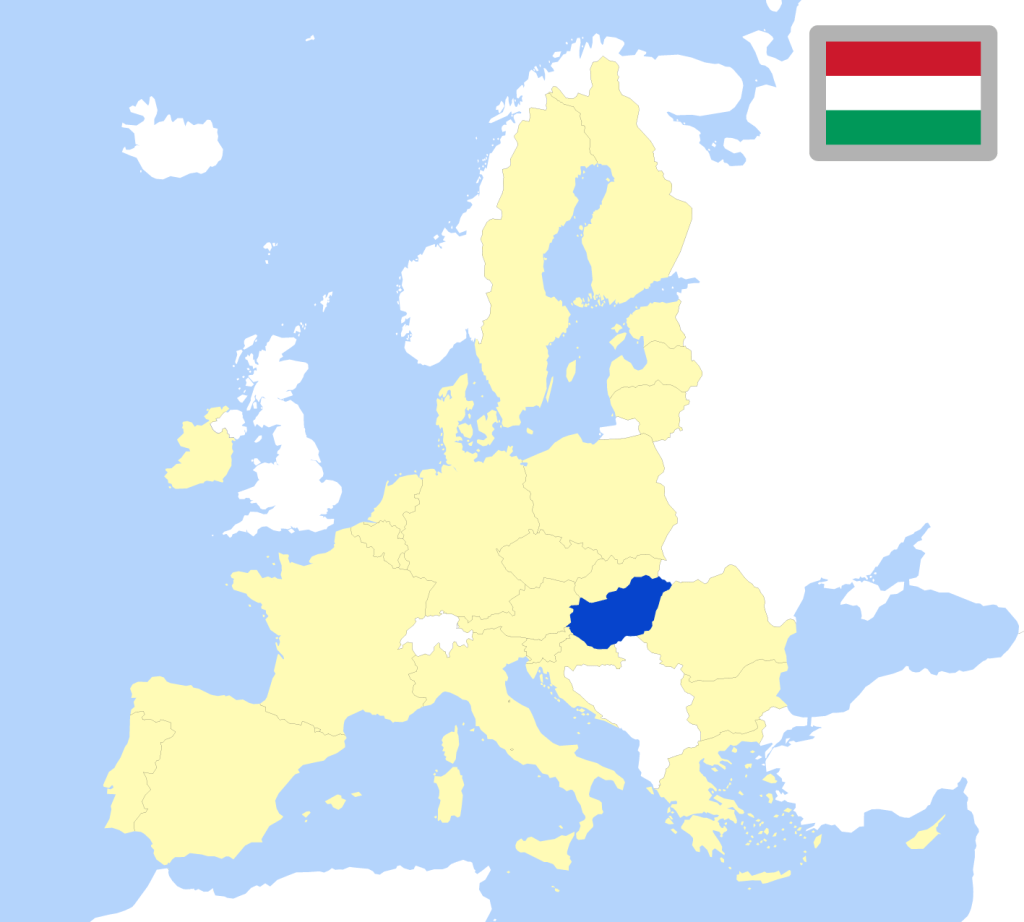
Today Hungary stands at a crossroads. For the first time since Orban is at power, a serious opponent challenges him in the parliamentary elections.
Hungary is and has been a crossroads in Europe. Lying in the centre of the continent [1].
Until the end of WW I Hungary was part of the ‘Doublemonarchy’. The former Habsburg Empire fell apart in Austria and Hungary, but Hungary lost 2/3 of its territory.
A first experiment with democracy emerged but this experiment with the so-called ‘Counsel Republic’ ran ashore. It was anyway a time of new ideas, think about the Weimar Republic in Germany.
During WW II the dictator Horthy tried to regain a part of the lost territory by consulting the nazi’s – a part of Slovakia and Transsylvania-. By which the number of ethnic Hungarians grew considerably. Problem was that ethnic Romanians became part of Hungary.
In 1944 he was abducted by the nazi’s, because within sight of the nearing German defeat he searched contact with the Allies, and the country was occupied by the nazi’s. A horrendous number of jews were carried away and murdered in the concentration camps.
Áfter WW II Hungary was occupied by the Soviet-Union. A second attempt to create a democracy failed. In 1989 the Wall fell and freedom arose. The heroes of the revolt of 1956 against the Soviet-Union were rehabilitated.
Still yet a considerable number of Hungarians live in other member-states of the EU, a.o. Slovakia and Romania. And a part in Ukrain. These are entitled to vote this Sunday, in case they retained their nationality.
If you consider the history of Hungary over all this time, you can state that Hungary has only experienced short terms of democracy [2].
These historic experiences have formed the national collective memory.
And that is ‘the card’ that mr Orban is playing. ‘Brussels’ as another controlling agency.
Will Hungary choose at the crossroads for a place which lies in the middle of Europe ?
The benefits of the European Union are obvious. Free trade within the European space.
Common politics in many areas. Last but not least the huge amounts of subsidies which enable areas lagging behind in economic development to develop. This is surely the European idea in practice.
Foster the development of the Union as a whole by assisting all areas, also the weaker, to benefit.
You can find boards with these textes, everywhere in Europe where projects ar co-funded by the EU.
A member state cannot bear only the benefits, but not the burdens. “You can’t have your cake, and eat it too”, a well-known English saying sounds. Membership of the EU implies, next to benefits, obligations such as the rule of law.
Since 2022 the European Union has a new instrument to block subsidies to member states that do not fulfill their obligations regarding the ‘rule of law’, i.c. Corruption and the erasing of the independence of the judiciary. It applies to Hungary and Poland.
[2] By the way, also Poland has little experience with democracy, which explains the substantial appeal of PiS, the populist party in Poland.
There was a very interesting programme at Klara, the Flemish radio, with a scientist. I don’t remember the programme name. He explained a part of the aversion of several East-European parties against ‘the West’ stating that those countries passed all at once from dictatorship to the whims of the free market
Het verloop van de parlementsverkiezingen in NL van 29 oktober bracht een nederlaag voor GroenLinks-PvdA en Frans Timmermans trad onmiddellijk terug als leider van de PvdA.
Ik moest ook meteen denken aan de gang van zaken rond de kandidaatsstelling van Joe Biden en het daarop volgende resultaat, de verkiezing van Trump voor een tweede termijn.
Níets is zeker. En verkiezingen al hélemaal niet, daar kunnen opiniepeilingen noch praatprogramma’s wat aan veranderen.
De keuze voor een sterke en overtuigende kandidaat kan dan wellicht ook een onzekere zijn.
75 % van de kiezers is moe van het gedoe van de afloop van Rutte 3, Rutte 4 met het briefje en het laatste kabinet. En wenst een stabiele regering. Een einde aan de stagnatie.
20 juni 2025 werd Timmermans door de leden digitaal tot kandidaat benoemd.
Die kennen we. Hij heeft de fusie tussen GroenLinks en PvdA die niet onomstreden was, tot een goed einde gebracht. Châpeau.
Veel mensen zijn het misschien vergeten. In de aanloop naar de Europese verkiezingen van juni 2019 werd Frans als ‘Hans Brusselmans’ neergezet -de vleesgeworden Europese elite-, maar dit alles leidde tot het tegenovergestelde effect. Hij kreeg véél voorkeurstemmen en de PvdA werd bij die verkiezingen de grootste. En de SP die deze campagne op de man hadden bedacht, werd gereduceerd. De voorzitter stapte op.
Hij is een goede bestuurder en bracht in Brussel de ‘Green Deal’ tot stand. Waarmee de EU het voortouw nam in de wereld.
Maar hij wordt ook als ijdel en een ‘betweter’ gezien. Hij ligt niet goed bij rechts en een stuk van het midden in Nederland.
Yesilgöz zet GroenLinks-PvdA graag neer als een extremistische anti-fa beweging waarmee niet te regeren valt.
Rob Jetten van D’66 is goed in het gat gesprongen, door thema’s van het Nederlandse ‘midden’- de Nederlandse identiteit- op te pakken en Wilders hard van repliek te dienen.
Dit sprak veel zwevende kiezers aan.
GroenLinks/PvdA zakte 5 zetels van 25 naar 20.
D’66 ging van 9 naar 26, bijna een verdriedubbeling.
Marjolein Moorman had mij een goede kandidate geleken.
En bóvendien ligt zij beter bij mogelijke coalitiepartners die zich nu tegen GroenLinks-PvdA verzetten.
De keuze voor een leiderspositie in de interne verkiezingen van de partij, liet zij aan haar voorbijgaan.
Ze vond dat ‘ze daar te weinig ervaring voor had’.
Ze wil in het parlement aan het werk.
GroenLinks-PvdA betaalt een hoge prijs. Níet de grootste partij, en al helemaal niet de premier.
‘Te vroeg’ is beter dan ‘te laat’.
De te late leiderswissel in de VS.
De presidentsverkiezingen in de VS waren op 5 november 2024.
Voor velen was het een verrassing dat Trump deze voor de 2e keer won. Zijn percentages waren echter nauw. Trump won met 49,9 % van de stemmen, tegen 48,4 % voor Kamala Harris.
Analytici zijn er echter van overtuigd dat de late leiderswissel in de VS bij de Democraten een grote rol heeft gespeeld.
Joe Biden werd heel lang de hand boven het hoofd gehouden. Ondanks versprekingen, en black-outs tijdens debatten met zijn opponent die het vermoeden deed rijzen dat Biden aan dementie leidde. Die waren zó pijnlijk dat Trump het gewoon liet, en niet zoals we van hem gewend zijn, er met gestrekt been in ging.
Pas na aandringen van vele Democratische prominenten trok hij zich op 21 juli terug als kandidaat.
Ten faveure van Kamala Harris, zijn vice-president.
Op 23 augustus werd op het Democratische partijcongres de nominatie van haar aanvaard.
Toen restten de Democraten nog twee maanden om de strijd met de Republikeinse kandidaat Trump te winnen.
Te laat.
Waren er geen betere kandidaten, zoals de rijzende ster AOC ? Alexandria Ocasio Cortez, lid van het Huis van Afgevaardigden. Een migrantendochter afkomstig uit Porto-Rico. Ze verdiende de kost als barkeepster toen haar vader vroeg overleed. Ze werd opbouwwerker en spreekt de taal ‘van de gewone mensen’. Ze ging studeren. En werd actief in de politiek. In 2018 won ze de voorverkiezingen verrassend van een gevestigde en machtige kandidaat Crowley.
De New York Times noemde Crowleys nederlaag “een schokkend verlies in de voorverkiezing, het meest veelbetekenende verlies voor een Democratisch zittend volksvertegenwoordiger in een decennium, en een die zal doorklinken in de partij en in het land”[1].
Een fragment uit een speech van haar: Het gaat erom het electoraat uit te breiden door te praten met degenen die zich teleurgesteld voelen, ontmoedigd en cynisch over de politiek en juist hen te laten weten dat we voor hen vechten [2]
Markant is dat ze afkomstig is uit Midden-Amerika, een regio waar Trump nu een ‘oorlog’ tegen voert.
Of de Californische gouverneur Newson, die zich nu tijdens Trump II sterk verzet tegen de plannen van Trump.
Of de zonet gekozen burgemeester van New York Zohran Mamdani ?
De te late leiderswissel bij de Democraten heeft tot catastrofale gevolgen geleid.
Voor de VS, zijn vrienden en de rest van de wereld.
Trump een tweede termijn.
Na een tijdje dat de Democraten totaal in verwarring waren, is het nu tijd om zich te herpakken.
Volgend jaar zijn er mid-terms verkiezingen in de VS, waarbij álle zetels van het Huis van Afgevaardigden en 1/3 van de Senaat (100 zetels) opnieuw verkozen worden.
De verwachting is dat de Democraten fors zullen winnen.
De economie draait niet goed, en staten die erg onder de invoerrechten die de VS invoerde, te lijden hebben, zouden weleens aan de Democraten kunnen toevallen.
Maar het is niet te voorzien wat dit aan de macht zal veranderen. Hooguit komt er een meerderheid aan Democraten in het Huis van Afgevaardigden.
Nederland heeft van oudsher een sterke band met Israël.
Ons land werd getroffen door de olieboycot, die de Arabische landen instelden ten gevolge van de Yom Kippoer oorlog van 1973. Verder gold die boycot alleen de VS en een aantal andere Westerse landen.
Nú wordt de houding van de Nederlandse regering versus Israël als zeer terughoudend gezien.
Je zou je kunnen voorstellen dat Nederland die speciale band nu benut.
Centrum-rechts houdt dat tegen.
Ik weet zeker dat de mensen in Israël nauwgezet volgen wat er gebeurt in de Nederlandse politiek en samenleving.
Ik heb het gevoel dat onze houding tov Israël nog steeds door schuld wordt bepaald.
Vanuit Nederland zijn procentueel het hoogste aantal joden tijdens de Tweede Wereldoorlog afgevoerd en vermoord, van Europa. Dit had oa te maken met de meewerkende houding van de Joodse Raad.
We zijn inmiddels 80 jaar verder. Drie generaties.
Een vooraanstaande overlevende van de Holocaust, zoals de danseres voor Jozef Mengele Edith Eger, predikt vergeving voor hun daders, nadat zij verantwoordelijkheid voor hun gruweldaden namen.
Een andere overlevende, Primo Levi, schreef het bekende boek ‘Nie wieder’.
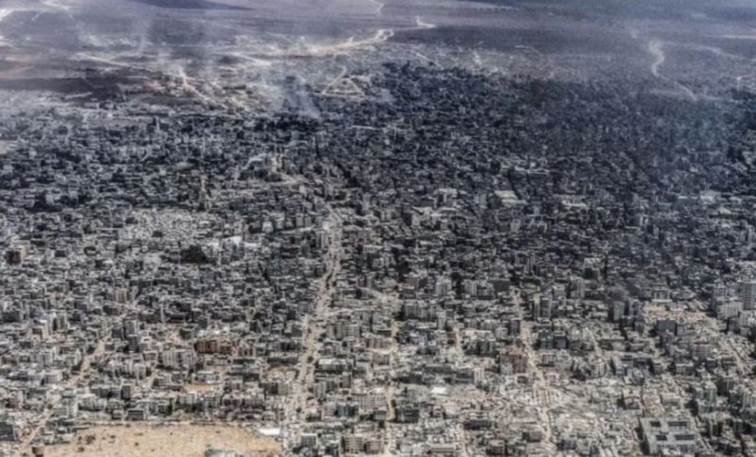
Ruim 60:000 Palestijnen zijn inmiddels in Gaza gedood.
Is het niet een soort van ‘egoïsme’ om na die tijd aan te blijven houden aan ‘schuld’, een manier om niet de werkelijkheid zoals die nu is, onder ogen te komen ? Cq verantwoordelijkheid nemen.
De associatie overeenkomst tussen Israël en de Europese Unie
Handel
De EU is de grootste handelspartner van Israël. Daarnaast is de EU de grootste investeerder in Israël. Sterker nog: Nederland is de grootste investeerder in Israël, geen enkel land investeert meer in Israël.
Cotonou overeenkomst
De EU en een kleine 80 landen (meeste ontwikkelingslanden) hebben als opvolger van het Verdrag van Lomé de overeenkomst van Cotonou getekend. Vanaf medio 2023 geldt het verdrag van Samoa [1].
Israël is hierbij ook aangesloten.
Op 15 juli kwam de Europese raad van Ministers (Buitenlandse Zaken) bijeen. Verder als ferme bewoordingen over Israël kwam men niet, geen boycot of afschaffing van handelsvoordelen. Ondanks een zéér kritisch rapport van de EU-buitenlandchef Kallas
Op 17 september legde de Europese Commissie een voorstel op tafel waarin handelsvoordelen die Israël geniet op basis van de overeenkomst worden opgeschort. Daarover moet de Raad binnenkort stemmen [2].
‘Mensenrechten, democratie en rechtsstaat’ wordt als éérste prioriteit genoemd (artikel 9). Naast economische samenwerking.
Er is een procedure indien één van de partijen deze beginselen niet naleeft. Het wordt de overlegprocedure genoemd (art. 96). Dat duurt 30 dagen.
Dringende gevallen
In bijzondere dringende gevallen die een onmiddellijke reactie vereisen kan hiervan worden afgeweken.
Onder paragraaf b) wordt dit uitgelegd: Het begrip „bijzonder dringende gevallen” heeft betrekking op uitzonderlijke gevallen van bijzonder ernstige en flagrante schending van één van de essentiële onderdelen bedoeld in artikel 9, lid 2, die een onmiddellijke reactie vereisen.
De Partij die gebruikmaakt van de procedure voor bijzonder dringende gevallen stelt de andere Partij en de Raad van Ministers afzonderlijk daarvan in kennis, behalve wanneer haar de tijd ontbreekt om dit te doen.
c) De in dit artikel bedoelde „passende maatregelen” worden genomen in overeenstemming met het internationaal recht en staan in verhouding tot de schending. Bij de keuze van deze maatregelen dient voorrang te worden gegeven aan die maatregelen die de werking van de Overeenkomst het minst verstoren.
Er is overeengekomen dat slechts in laatste instantie tot opschorting zal worden overgegaan.
Nederland zou op zeer korte termijn een procedure kunnen starten bij de Europese Raad van Ministers, aangezien hier sprake is van bijzonder ernstige en flagrante schending van het onderdeel mensenrechten -genocide-.
Even terug
Het is bijna 7 oktober. Twee jaar terug.
Tot dan had niemand het over het Palestijnse vraagstuk of Gaza. Netanyahu probeerde de verstoorde relaties met bv Saoedi-Arabië te herstellen.
Gaza was en is een soort getto. Niemand kan erin of uit, zonder toestemming van de Israëlische autoriteiten. Er heerste ook toen al honger en schaarste, elementaire goederen werd het gebied ontzegd. Gazanen konden niet reizen. Totaal geïsoleerd.
Op nog geen 2 km afstand van het getto was een rave-party. Israëli’s genoten van hun vrijheid, dansten en aten en dronken.
Je kon de muren van het getto in de verte zien. Een schizofrene situatie.
Toen kwam de aanval van Hamas.
De joodse filosofe Hannah Arendt (zelf had ze een hekel aan de typering) had het er bijv. over dat de grens tussen ‘dader’ en ‘slachtoffer’ zeer eng is.
Het getto Gaza doet denken aan het getto van Warschau.
De Palestijnen worden ontmenselijkt. Weinig mensen in Israël hebben het over het lot van hen, alleen dat van de gijzelaars.
Je zou kunnen zeggen dat de Israëli’s van ‘slachtoffer’ ‘dader’ zijn geworden.
Natúúrlijk is het lot van de gijzelaars ook verschrikkelijk.
Nú praat de héle wereld erover.
En Israël raakt steeds meer geïsoleerd. Sportief, cultureel, wetenschappelijk.
Bijna alle ontwikkelingslanden zijn vóór Palestina. Zélf hebben ze zich ontworsteld aan hun koloniale status, na WO II. En nu zien ze een ander land, waar de oorspronkelijke bewoners worden onderdrukt.
Ook in het Westen is het aan het schuiven.
Je zou kunnen zeggen dat het het laatste koloniale project is.
Waar mi maar één oplossing voor is, een twee-staten oplossing die recht doet aan beide volkeren die zo hebben geleden.
Het Trump-plan is geen goed plan, omdat het geen recht doet aan het volk waar het over gaat, het Palestijnse.
Als Autor, habe ich bis jetzt in niederländisch, englisch und manchmal in französisch geschrieben. Auf Mittelschule hätte ich verzichtet auf deutsch. Ich meinte nach drei Jahren eine bestimmte Grundlage zu haben, und wählte französisch für Abschlussprüfung. ‘Das kann noch später’.
Und jetzt meine ich auf deutsch zu schreiben. Es ist ein riesiges Gefühl. Wer hatte das gedacht ? Hoffentlich gelingt es mir das zu schaffen, mit Hilfe zwei neuen Wörterbuchen.
Ich finde deutsch eine reiche Sprache.
Ich bin ein Europaër.
Was die letzte Monaten passiert ist, ist fast unglaublich. Deutschland, das seit Jahrzehnten von Pazifismus und Allergie für mehr als Verteidigung gekennzeichnet wurde, entwickelt sich rasch zu ein selbstbewusstes grosses Land in der Mitte Europas.
Nach dem Zweiten Weltkrieges wurde West-Deutschland ‘abgekapselt’ in die NATO. Gründe für die Gründung der Europäischen Union war die Überwindung der ewiger Feindschaft zwischen Deutschland und Frankreich, die zu drei Kriegen führte.
Jetzt entscheiden wir uns ánders, bedachten die Genies Monet und Schumann, ihre eigen Erfahrungen in betracht beziehend. Durch immer engeren Zusammenarbeit rückt der europäische Verband näher.
Europa ist im Kern ein Friedensproject. Wenn wir aus Bequemlichkeitsgründen die Gründung der EGKS als Anfang der Europäische Union kennzeichnen (1952), können wir sagen das schon mehr als siebzig Jahre auf ihrem Gebiet keinen Krieg mehr stattgefunden hat.
Ein grosser Erfolg.
Ostpolitik
Das Wirtschaftswunder.
Nach einigen Jahren von Wiederaufbau und Armut nach dem Krieg, entwickelte die westdeutsche Wirtschaft zich rasend schnell. Man wollte in die Zukunft gucken statt zurück zu blicken. Die Wohlstand nahm stark zu.
Das kann ebenso wenig nicht getrennt von der Integration in der EU gesehen werden.
Schliesslich wurden zwischen 1957 (die Aufrichting der EG als Vorgänger EU) und 1969 schrittweise álle Einfuhrzollen zwischen Mitglieder der EG abgeschafft.
Der weltberühmte Reichskanzler Willy Brandt normalisierte in der siebziger Jahre die Beziehungen mit Ost-Europa. Durch vorsichtige Schritte, die sogenannte ‘Wandel durch Ernährung’, versuchte die Regierung Brandt die Beziehungen zum ‘anderem Deutschland’-die DDR -zu entspannen. Mit der die BRD seit 1949 getrennt wurde [1].
De facto wurde die DDR anerkennt. Auch die Beziehungen mit andere osteuropäische Länder und der Sovjet-Union wurden verbessert. Mittels Ostverträge mit unter anderem der Sovjet-Union, Poland und Czechoslavakia (1970, 1970 und 1973).
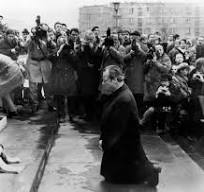
In 1970 knielte Willy Brandt, wann er einen Kranz legte bei dem Denkmal für den Aufstand im Ghetto von Warschau [2].
Mit Poland wurde die Oder-Neisse Grenze de facto erkennt. Dies wurde später in einem Vertrag festgelegt zwischen die beiden Deutschländer, die VS, SU, Frankreich und Gross-Brittanniën (Zwei plus Vier), in 1990.
Mitte der sechziger Jahren meldet sich die Protest Generation. Jüngeren fingen an sich Fragen zu stellen in der Rolle ihrer Eltern und Grosseltern während des Nazi-regimes.
Ich kann mich noch erinnern an die achtziger Jahre dass ich eine Documentarfilm sah auf der ZDF oder ARD. Über die Gräueltaten des Nazi-regimes. Das war charakterisiert als “ein verbrecherisches Regime”.
Ich war berührt von dieser Offenheit und Fähigkeit zur Reflexion.
In der Niederlande sind wir Jahrzehnten später noch beschäftigt mit unserer kolonialen Vergangenheit mit Indien.
Die erste Wende
Ein Tag der ein Deutscher nie, und wir Ausländer ebenso wenig, vergessen wird, ist 9 november 1989.
Die presse Konferenz von Schabowski in Ost-Berlin. Im Abend.
Dieser Ostdeutsche Parteifunctionär wurde gefragt wann “die Mauer aufgehen würde”.
Er kramte in seine Papiere und stammelte, nachdem er einen Beamten neben ihm gefragt hatte, “sofort”.
Wildfremde Menschen fielen einander in die Arme. Ektatisch. Unglaub.
Auf dem dritten Oktober 1990 trat die DDR der Bundesrepublik bei. Dieser Tag gilt als ein nationaler Festtag in Deutschland. ‘Der Tag der deutschen Einheit’.
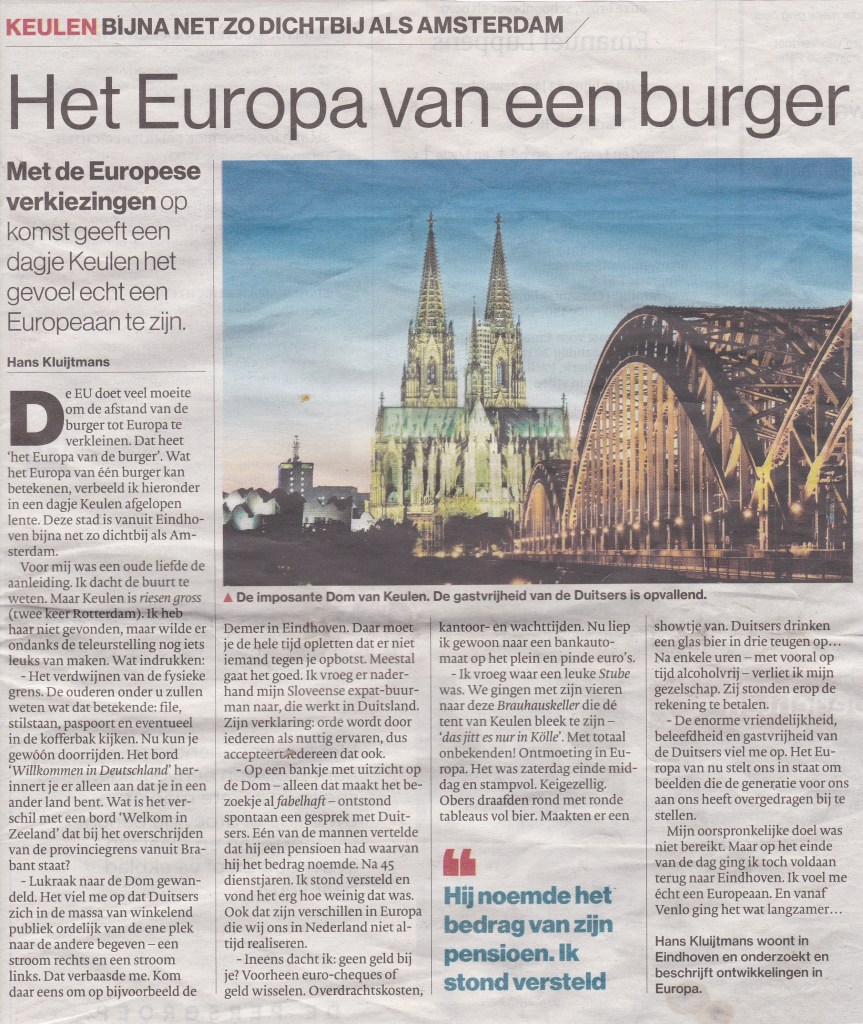
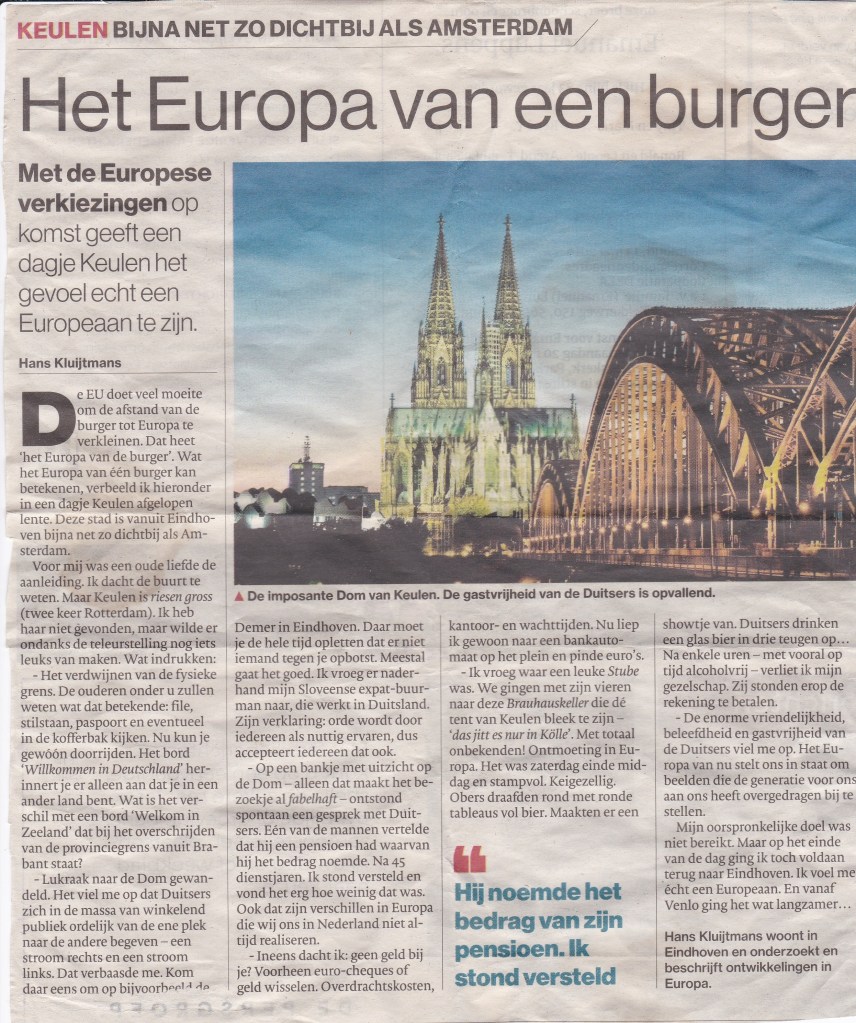
Das Europa eines Bürgers. “Das jitt es nur in Kölle”
Einige Jahren her fuhr ich nach Köln. Es war toll.
Hier finden Sie meine Eindrücke.
Eindhovens Dagblad, 16 mei 2019
Die deutschen sind seht nett und lieb.
Was mir auf fiel, was die Grösse von Deutschland. Es ist ein grosses Land. z.B. die Entfernung von Köln in der Mitte zu Hamburg (Norden) ist etwa 500 km. Das ist fast doppelt so viel als die Niederlande von äussert Norden nach Süden.
Und es ‘atmet’ Europa. Ein Gefühl. Die andere Seite der Medaille ist das Deutschen sehr gefühlig sind für die Meinung Ausländer, ist mein Eindruck. Ich denke, nach Reflexion, dass man in Deutschland ein Bewusstsein weht über Europa.
Die zweite Wende. Von Hintergrund in der Vordergrund verschoben
Die Entwicklungen gehen am Anfang dieses Jahres rasend schnell.
Nach der Wahl für das Parlament am 23e Februar kam die CDU-CSU als Sieger nach vorn. Leiter Friedrich Merz woll eine Regierung bilden mit der SPD.
Er überraschte mit einem Plan um die Schuldenbremse frei zu lassen[3] .
Dieses Gesetz – eingeführt durch Merkel – umfasst die gründsätzliche Verpflichtung für u.a die Bund um die Staatsverschuldigung zu begrenzen. Auf maximal 0,35 Prozent der nominalen BSP (Bruto Sozial Produkt = Äquivalent niederländischen BNP)
Es gibt bestimmten Ausnahmen wie Naturkatastrofen und Wirtschaftskrisen. Vielleicht hat auch ‘Generationsgerechtigkeit’ eine Rolle gespielt, es gibt Diskussion über den Befürwortern und Kritikern unterschiedlich bewerten.
Merz führte an das die jetzige Entwicklungen um einen anderen Ansatz fragen.
Die Möglichkeit das Deutschland die Amerikaner unter Trump nicht mehr trauen kann und sich verteidigen müss.
Hervorstechendes Detail ist das die Regierung Scholz fiel, weil die teilnehmende FDP festhalten wollte an der Schuldenbremse.
Auch ausserordentlich ist das das Scheidendes Parlament darüber abgestimmt hat.
Im neuen Bundestag hat die Regierung keine 2/3 Mehrheit, notwendig für gründsetzlichen Änderungen. Mit Hilfe der Grünen würde es möglich (18e März).
Vergleich über 500 miljard euro
Der plan, ungeahnt in den modernen Geschichte Deutschlands, enthält 500 miljard euro, für Investierungen in Verteidigung, Infrastruktur und Umwelt.
Die Mehrheit der deutschen Wähler unterstützt seine Plane. Eine Umfrage der ZDF zeigt dass ungefähr drie Viertel aller Wähler mehr Geld für Verteidigung will, auch wenn das leitet zu eine höhere Schuld.
Ein theorie von der ungärischen psychiater Nagy kann mich ansprechen. Die Wirklichkeit von Menschen is beziehungsmässig und generationsübergreifend. Er war Gründer der kontextbezogen Therapie. Er sagte dass Trauma sich darstellt in drei Generationen. Die erste schweigt. Die zweite spürt unausgesprochene Gefühle, die dritte engagiert und verarbeitet das Trauma.
Vielleicht ist die dritte Generation jetzt in Bewegung.
Deutschland ist ein grosses land. Sowohl in Grösse, Demographie (etwa 80 millionen Menschen), Wirtschaft, Lage (in der Mitte Europas), Moral und jetzt auch Politik.
Dabei muss bemerkt werden dass Deutschland wie alle europäischen Länder Vergreisung kennt.
Deutschland kann nur bestehen in der europaïschen Einigung.
Die europaïsche Einigung kann nicht bestehen ohne Deutschland.
In diesem Rahmen ist es sehr lobenswert das Deutschland vorausgeht.
Europe was in tatters, as the consequence of the Second World War, which was the consequence of the First. Even later of the French-German War of 1870. All of these wars carried the seed with them for the successor.
Áll of them ? Not the Second World War.
The genii Schumann and Monnet, with the experience of the war in mind, decided otherwise.
Why bring the former enemies together in a Community ? The European Coal and Steel Community.
And bring those commodities, necessary for waging war, under a joint decision-making structure (1952).
The two, plus Italy and the Benelux countries were members.
The succes led to an extension of the community to most sectors of economic cooperation.
Thus the EC, European Community, was born in 1957.
Feature of the EC was the abolishment of internal custom tariffs. In a period of 12 years. As a first stage of a common market.
It is not a coincidence that prosperity rose tremendously, in the late sixties and seventies. Washing machines, fridges and television sets appeared in the households.
I have a memory, no a picture, of myself playing as a toddler, on the side in a cornfield as the peasant was plowing with a horse. Not imaginable anymore ! Within the sixties horsepower was replaced by tractors.
In 1984 the plan arose for a ‘Single Act’. The Act envisioned the completion of the Single Market where all goods, persons, capital and services should flow freely.
The well-known concept ‘1992’.
The name EC changed to Union. The European Union.
European Political Cooperation was included in the treaty, as a forerunner of European Union’s Common Foreign and Security Policy (CFSP).
More tasks came within reach, so like the Economic and Monetary Union and the birth of the euro, the common currency. Realised by the Treaty of Maastricht.
More and more countries joined the EU. The former satellites of the Soviet Union, a.o.
Nowadays 28 member states exist. And several countries are ‘in the waiting-room’.
The reconciliation between the former arch-enemies France and Germany was iconically symbolised by the former leaders the German Kohl and French Mitterrand, standing hand in hand before a memorial wreath, at the ossuary of Douaunemont, Verdun. In 1984.
They also symbolised the unification of Europe [1]
Isn’t it plausible that at that time kind of complacency toward the the outside world has arisen ?
We overcame the tradional animosity between the two big powers on the European continent.
A huge success.
Looking fórward instead of looking back.
But also retiring ?
Moreover Europe was and still is protected by the nuclear ‘umbrella’ of NATO, read the US.
Europe is a peace project, but you have to prepare for war.
An insight that grows during the Oekraine war.
Revanchism
Revanchism can be described as feeling the need to take revenge after a war that is lost after losing territory, but also a political defeat. Or wanting to regain lost political influence.
In that sense, it is peculiar that on the east side, as well as the west side, Europe is bordering on revanchist countries.
The UK during Brexit. The UK re-installed frontiers. Between the UK and the continent, and between Northern-Ireland (part of the UK) and Ireland (part of the EU).
On the eastern side Russia tries to expand its frontiers.
The US can also be seen a increasingly revanchist.
Revanchist or populist parties are very good attuned to what lives. A lot of citizens do not recognize themselves in politics. They gave an answer.
The problem with those parties that they have a lot more problems with taking responsibility. Intrinsically political issues are complicated. So ‘one size fits all’ solutions may sound very plausible, but are in reality not achievable.
F.e in the Netherlands the recent populist governement had tried several time to abolish precedence of asylum-seekers in the housing market. The highest administrative judge and advisor of the governement – Raad van State- advised negatively both times.
The European Defence Community (EDC)
In the same time as the foundation of the ECSC (1952) a plan was lauched by the French Prime-minister Pléven to create an European army of forty divisions, of the six original member-states of the ECSC. Which would replace the national armies.
With the WW II in mind, the Western-European countries didn’t grant the Germans an own army. One of the arguments was to encapsulate the Germans.
Next to this plan a Common Political Community would be born. Which would take care of a common European foreign policy.
The six member-states signed the treaty in 1952, but the plan failed in the French National Assembly.
As a consequence of the death of Jozef Stalin, the fear of the Russians was diminished in France. By which the French no longer saw any point in supranational authority [2].
Later on the ministers of Foreign Affairs of the six declared to give preference to further economic integration, which led to the foundation of the EC (Treaty of Rome 1957).
A comprehensive and coherent communication strategy
We need to tell the narrative that we eradicate frontiers, instead of revanchists who raise barriers in the form of tariffs.
We adhered to a Union where everyone gave up a part of their autonomy, and thérefore got in return for that much more.
Later I will write on the communication.
In this place it is worth mentioning that the EU has in its 16-th sanction package against Russia included to tackle media agencies with a license to broadcast in the EU (February, 19-th).
An new paradigma; the time is ripe
Europe has become mature.
From 1957 on on-going cooperation and the transfer of, or entrust powers from states to a Union, has resulted in énormous growth of the economy. The arch-enemies Germany and France reconciliated forever. Frontiers are faded.
The economy is inextricably linked. Youngsters study throughover the whole Union (one of the reasons why the UK tries to get closer). Workers as well.
You can say that cooperation is in our DNA.
In 1954 cooperation is defence matters was too much.
Now times have changed. The Trump government is unpredictable but for sure it turns his hands gradually off Europe and to the Pacific.
I think we should act in two lines.
The ‘revival’ of the plan for a European Defence Community.
2. Start a debate on stimulating cooperation between the European Defence industry.
Now the industry is very shredded.
Instead of the first proposal these are mere imaginative thoughts.
F.e. think about the European Steel and Coal Community [3].
The common market of steel and coal was based on the principle of supranationalism. The government was a High Authority which was made up of appointed representatives from the member states who would not represent their national interest but would take and make decisions in the general interests of the Community as a whole. These representatives would be independent.
Furthermore a Special Council of Ministers was composed of national ministers, a Common Assembly composed of national parliamentarians, and a Court of Justice.
This structure was a model for the later European Community.
The ESCS later was absorbed in the ‘regular’ European Structure.
‘Key’ of the ESCS was breaking the cartel structure which was the base of the ‘trusts’ in the Ruhr area that had underlain the military power of the Reich.
In a common market of coal and steel in the member states all tariffs and non-tarif barriers such as subsidies and discriminatory practices were to be abolished. The High Authority supervised the market and with powers to handle extreme shortages of supply or demand, to tax, and to prepare production forecasts as guidelines for investment.
That mechanism can perhaps act as a model ? A director role.
European defence industry could compete freely on a European defence market.
Cost-efficiency would rise. We would be less dependent from the US.
A possible European army would lead to further economies of scale.
In the tank producing sector I know the German Rheinmetall and the Italian producer Leonardo. They invested in a joint-venture to produce armoured cars and tanks. Together they acquired an billlion deal for the construction of a tank for the Italian army.
In aerospace you have Dassault in France, Saab-Viggen in Sweden.
Perhaps cooperation projects could arise because of a European defence market.
In the civil sector, the Airbus is a well-known succes story. A cooperation between Germany, France and Spain. The group produces half of the jet planes in the world.
European Defence Community
I see the following advantages in the founding of a European Defence Community:
Tremendous cost savings are possible.
Cooperation between the member-states on defense creates a unified stance on security issues related to outside threats like to be informed, to deter and to act.
Avoid playing out European member-states against each other.
A unanimous position makes Europe visible and predictable;
Respond to hybrid warfare.
This is a concept which describes coordinately the whole of tactical components to destabilize the enemy by a combination of conventional warfare, irregular warfare and non-military actions. For example think about fake-news, election intervention, sabotage.
For example the sabotage act of the Russians by spraying mounting foam in the exhaust pipes of hundreds of automobiles in German federal states, in the run-up for the recent parliamentary elections. Sender (with a sticker) the Greens.
Step by step in a European defence Community
Schumann saw the European integration as a result that will be realised by small steps. The probably next prime-minister elect of Germany Merz said last after his siege in the national parliamentary elections that he considered the European integration as a step-by-step to be realised goal.
Perhaps we could connect to the Pléven plan mentioned above.
In a first stage cost-reductions will not be that high.
According this plan forty divisions under supranational authority would come into existence, consisting of smaller units of the armed forces of participating countries.
Germany and the Netherlands have already one joint brigade. The first German-Dutch Army Corps. The Dutch 13e light Brigade is integrated in the 10e German Pantzer Division.
Quick deployment is a key element.
The original six member-states of the EU -France, Germany, Italy and the Benelux could act as pioneer.
Probably the others will join in a later stage.
My guess is that several of them, the Baltic States and Finland and Sweden are keen to join.
The organisational structure of the plan Pléven was a Commissionary that consisted of nine people who would only act in the interest of the Defence Community and would take their decisions by a normal majority. In this way the Community would have an downright supranational character.
In the command over the European army a strong role would be reserved for the operational commander-in-chief of the NATO (the Supreme Allied Commander in Europe – SACEUR).
In this way not all existing structures will be left.
The international developments follow each other quickly.
Dit is een stelling die me al lange tijd fascineert.
De ontwikkelingen sinds de verkiezingsoverwinning van Trump in de VS op 5 november. jl. brengt me ertoe dit artikel te schrijven. In Europa werd deze met argusogen door de grote meerderheid van de lidstaten, afgezien van Orban, Fico, Meloni en Wilders, ontvangen.
Wát betekent dit voor de toekomstige defensie van Europa en wordt het niet tijd over een gezamenlijke defensiepolitiek na te denken, en vooral stappen te ondernemen ?
Het apartheidsregime in Zuid-Afrika
Eind van de tachtiger, begin van de negentiger jaren van de vorige eeuw verkeerde het regime in een toenemend isolement. Wereldwijd werd het land geboycot in verband met de apartheids- politiek (=rassenscheiding), die door een overgroot deel van de landen werd afgekeurd.
Een minderheid van blanken domineerde het land, ten koste van de zwarte meerderheid. Zowel in politiek als economisch (townships) opzicht.
De tegenstellingen tussen beiden verharden. Zwarte activisten betoogden steeds meer. Economisch kwam het land ook steeds meer in een isolement. Denk aan de acties die in NL begonnen om Shell te boycotten om hun handel met Zuid-Afrika.
De situatie was bestuurlijk, economisch en politiek steeds minder houdbaar.
In een toespraak in januari 1990 voor het parlement kondigde toenmalig president Willem de Klerk het einde van de apartheid aan. Het verbod op de ANC (Afrikaans Nationaal Congres), de partij van de zwarten, werd afgeschaft. Het iconische moment was de vrijlating van Nelson Mandela, een maand later, uit de gevangenis.
Het leidde tot de eerste vrije verkiezingen in het land in 1994. Het ANC olv Mandela werd de grootste partij en nam deel aan de eenheidsregering. Sedert toen vormen zij al decennia de regering.
De val van de Muur
De SU verkeerde in de tachtiger jaren in een steeds groter wordende crisis.
De wapenwedloop met de VS, nodig om de status van een supermogendheid te kunnen waarmaken, was economisch steeds minder houdbaar. Het ‘dubbel’ besluit om middellange afstandswapens in West-Europa te plaatsen, reden voor gigantische demonstraties in de regio, vormt ironisch gezien één van de redenen.
Ook de staat van de (plan-) economie was deplorabel. Administratief was er stagnatie. Moreel evenzeer.
In deze atmosfeer kwam Gorbatsjov aan de macht (1985). In eerste instantie zette hij incrementele stappen om het land uit het slop te trekken.
Mensen kregen economisch meer vrijheid. Maar gaandeweg kreeg de ruimte die mensen kregen, het gevolg dat er nationalistische sentimenten de kop opstaken.
Gorbatsjov was niet meer in staat de ‘geest in de fles’ te krijgen en in 1991 stortte de Unie van Socialistische Sovjet Republieken in. Uitéindelijk heeft dit de weg ‘geplaveid’ naar het revanchisme wat Poetin’s beleid nú typeert.
Terug naar de jaren 80.
Ten gevolge van Gorbatsjovs beleid van glasnost (openheid) en perestrojka (hervorming) kregen ook de voormalige Russische satelliet staten in Oost-Europa meer vrijheid. De druk op de grenzen nam toe. En de staten trokken zich terug uit het Warschaupakt.
De val van de Berlijnse Muur betekent hierin het keerpunt.
Iconisch was de persconferentie van Schabowski, op de avond van 9 november 1989.
Deze Oostduitse partijfunctionaris werd gevraagd wanneer “de Muur zou opengaan”. Hij rommelde wat in zijn papieren en stamelde, na navraag bij een naast hem zittende beambte, “sofort”.
Vervolgens kwam er een gigantische run van Oost-Duitsers op gang die in werkelijkheid wilden zien of het ongelooflijke ook écht waar was.
Wordt de Europese Unie óók een defensie-Unie ?
Na afloop van de WO II kwam de daaruit voorvloeiende verdeling van Oost- en West-Europa in twee blokken. Zij kwamen in de resp. invloedsfeer van de SU en de VS terecht. De in 1949 opgerichte NAVO nam de taak op zich het vrije Westen tegen de communistische agressie te verdedigen.
De voorloper van de EU, de EGKS, werd in 1950 opgericht.
Maar je kan zeggen dat Europa al bijna 80 jaar (althans het westelijke deel) onder nucleaire bescherming van de NAVO valt. Artikel 5 stelt dat de aanval op één lidstaat van de NAVO, als een aanval op álle wordt beschouwd.
Europa is een groot succes geworden. De aartsvijanden Duitsland en Frankrijk zijn voor altijd verzoend. Grenzen zijn vervaagd.
Door de Unie is de economie énorm gegroeid en onlosmakelijk met elkaar verbonden. Jongeren studeren door de héle Unie. Werkenden eveneens.
Honger bestaat er niet meer. De landbouw is zo’n succes geworden dat het slachtoffer ervan is geworden.
Een Europees migratiebeleid is in wording. Op tal van andere terreinen (milieu, energie) wordt intensief samengewerkt. Technologie moet niet alleen in onderzoek, maar ook in financiering en scale-up op Europees niveau worden getild.
En dan de buitenlandse politiek/ defensie
Trump is herkozen.
Hij vindt dat de EU, de economische reus op lemen militaire voeten, méér aan defensie moet besteden. En dreigt.
Poetin staat aan de grenzen van de EU.
China probeert de individuele landen tegen elkaar uit te spelen.
De politieke leiders van de EU zijn bij elkaar gekomen.
Ze draaien zich nog een keer om in hun comfortabele fauteuils. De tijd dringt.
Quite a while president Biden kept the country in general, and the Democratic party in particular, in uncertainty. Would the current leader of America run for a second period as president ?
His bungling in several interviews fueled the doubt. Trump was ahead in the polls.
Would an 81-year old man still be the right man for the job of most powerful man of the world ?
Joe Biden is known as a stubborn person, only listening to his intimi. Rumour had it that only the first lady could influence him.
Criticism kept on. More and more voices expressed their doubts.
In the run-up to the definitive decision, the name of Adam Schiff passed me by.
An influential senator whose opinion counts.
Fragment of the dutch radio programma ‘Met het oog op Morgen’. Late night from 23:-24:00 hours. 20 July.
The day after hearing this programme I looked, curiously, on internet. Headword ‘Schiff’.
I saw three main hits, next to some specific American agencies, on newssites:
Al Jazeera;
CNN;
Politico.
“While the choice to withdraw from the campaign is President Biden’s alone, I believe it is time for him to pass the torch”.
Thus Schiff in a statement, 17 July. Source Politico.
Adding: “A second Trump presidency will undermine the very foundation of our democracy, and I have serious concerns about whether the President can defeat Donald Trump in November”.
It surprised me. That this expectation was fulfilled.
The dutch newspapers came in, half a day of a day later, and copied the message.
Adam Schiff is an important politician.
He was a member of the House of Representatives from 2000 – now. In that function he presided the House Intelligence Committee from 2019-2023. Moreover he was a member of the House Foreign Affairs Committee. He was the lead impeachment manager in the first impeachment procedure against Donald Trump. In the elections Nov. 5-th he runs for a seat in the Senate.
The coming elections concern not only the president, but also Congress. Ic 1/3 of the Senate (34 seats) and the House of Representatives (all 435 seats).
The Senate has more influence than the House. In the Senate the Republicans hold 50 seats, the Democrats 48. 2 are independent senators. In practice that meant that when the votes are tied (50-50) the vote of vice-president Kamela Harris turned the scale
This implies that senator Schiff also has another motive for supporting Kamela Harris.
If the majority of the Senate (legislative power) ánd the President (executive power) are of the same political party, the decision-making process is much easier.
But when they do not correspond, stalemate lies ahead.
Follow-up
A few days later president Biden declared that “he is no longer a candidate for the presidential elections in November. He expressed support for vice-president Kamela Harris as new presidential candidate for the Democrats”.
In the polls Kamela Harris is doing well.
What wonders me is that dutch newspapers so lately expressed interest in this important development.
The only European newssite that was on top of the news is Politico.
The US is an important partner for us. For our defence, we rely for a great part on the US. You should not imagine what would happen when Donald Trump would be re-elected, for our support for Ukrain.
Europe is, although we form one of the three greatest trading blocks in the world, still not able to defend itself on its own. This should change. We cannot longer depend solely on our ‘big brother’. The US is our second largest trade partner (behind Germany). On cultural level we share the same values, and have a common history.
Attention for our ally and supporter
I would pledge to pay more attention to what happens at the other side of ‘the Great Sea’.
In this respect the resignation of the Dutch reporter at the national news NOS Journaal, Rolf Schüttenhelm, grandson of the NOS founder Emile, is perhaps significant.
“He could no longer agree with one-sided reporting of the Journaal. According to Schüttenhelm the editor-in-chief has insufficient vision on the approach of reporting on big issues that threaten the democracy”. In particular he mentioned “the threat of Russian propaganda and a discussion if the present ambition to spend 2 % of GNP to defence is sufficient” [1]. 10 July, 2024.
Indicative or not, not a single newspaper reported this act. Only the website presented here-under.
Our country is getting more and more introverted. The present right-centrist government is the representation of this.
Robert Schuman, l’Européén incarné, né comme allemand en Luxembourg, et plus tard naturalisé francais au retour de Alsace-Lorraine après la fin de la première Guerre Mondiale, était un visionaire. Il était ministre des Affaires étrangères de France.
Le 9 mai 1950 il faisait une déclaration, nommé la declaration Schuman, dans laquelle il proposait la fondation de la CECA, Communauté Européenne du Charbon et de l’Acier. EGKS en néérlandais.
Il a concu cette déclaration en collaboration étroite avec Jean Monnet, un haut officiel et conseiller francais.
La déclaration proposait de rassembler la production de charbon et acier des anciens ennemis France et Allemand- Ouest sous une Haute Autorité. Matières premières pour des armes de guerre.
Et puis éviter de nouveaux guerres en Europe, par garantir la paix dans une Europe unifié. Autrement dit. Sur les ruins de la Seconde Guerre mondiale, ils decidièront autrement.
CECA est consideré comme la precurseur de la CEE (la Communauté Economique Européenne, EEG en néérlandais) en 1957. Et en outre, la Union Européénne d’aujourd’hui.
La structure décisionelle à resté plus ou moins la même
Important, aussi pour aujourd’hui, sont deux sentences dans cette déclaration:
“la seule unification de l‘Europe ne peut pas être réalisée dans un seul coup, ni être provoqué par une création englobante. L’Europe unifié devra sortir en concrete réalisations concrètes, où il faudra prendre comme point de départ la solidarité reélle.”
Le 9e de Mai, nous célebrons la journéé de l’Europe, la date a laquelle cette déclaration etait publiée.
The founding Fathers of Europe.
C’est comme hommage à ces deux visionaires que j’écris en francais.
Monsieur l’Europe
Une autre paragraphe en francais, aussi en hommage à un autre ‘grande personne’.
Jacques Delors. Ce président de la Commission Européénne, pendant deux termes 1985-1989 et 1990-1995 était le créateur du ‘Europe 1992’. Un plan vers l’achèvement du marché interieur. Sous son règne l’Union Economique et Monetaire a pris forme. Avec le résultat le plus visible l’introduction de une monnaie, l’euro.
Jacques Delors à decedé en 2023 à l’âge de 98.
Aussi lui était formé par les guerres. Son père gravement blessé dans la Guerre Première mondiale, disait qu’il faut trouver des moyens de compréhension mutuelle.
Il a également constaté l ínequalité des chances en France. Un thème que le suivra tout au long de sa carrière. Il préferait les syndicats à la politique, parce que “ca lui a permis à rester au contact avec la société”.
Pas à la dernière place, Delors etait ‘le cerveau’ derrière le programme fameux ERASMUS.
Ce programme fournit l’occasion à personnes plus instruites d’étudier à l’etranger pendant un certain temps, valable dans le cadre du programme scolaire domicile.
Ainsi Jacques Delors étais nommé ‘Monsieur l’Europe’.
Dans une documentaire du producteur Amar, Delors dit que “Il était préoccupé par la situation en Europe, avec le nationalisme et populisme. Et “il était decu sur l’Europe de aujourd’hui. Il manque enthousiasme, un âme”.
I now switch to english. Because most of the readers understand it better, and I wish to write accessible.
A narrative on Eastern-Europe
A few weeks ago there was a commemoration of 20 years ago. On the 1e May 2004 10 new member-states joined the EU. Those were primarily Eastern-European countries Estonia, Hungary, Latvia, Lituania, Poland, Slovenia, Slovakia and Czechia. And Malta and Cyprus.
After a long period of negotiations, which followed the fall of the Iron Curtain and the domination of the former SU over Eastern-Europe.
To enter the internal market, which the EU is, these states had to accommodate to thousands of regulations. Moreover the transition of a centrally led communist system for most of these states, they were economically and administratively bankrupt, to a market-orientated society was intensive.
European programmes for recovery were created. And if it is by chance or not, an unknown and famous person perhaps with french background within the Brussels bureaucracy -an acronym creator- formulated the name PHARE for this giant reconstruction programme for Eastern-Europe.
It stands for Pologne. Hongrie, Assistance à la Restructuration des Economies.
In these 20 years, these countries have made amazing change.
European journalist and watcher (ao active for the dutch journal NRC) Caroline de Gruijter made some interesting remarks concerning this period in a dutch radio programme.
“It was a day of promise. For the new members and the whole continent”. Ursula von der Leyen proclaimed. It was a night of promise. Because Europe ís promise. The promise that all Europeans can be master of their own destiny”.
The benefits are enormous. Fe Poland the average income was 1/3 of the average in the EU, now it is ¾.
In those time there was already pressure on the labour market in Western-Europe, migrants from the East could fulfill the gap. Thus also in this respect the arguments of the right forming parties in the Netherlands do not convince. Most of the migrant workers from Central- and Eastern European countries do work for which there is no supply of labour domestically.
And what do English voters for Brexit think, when they are confronted with failing transport and lack of nurses in hospitals ?
But is was primarily a security issue. The fear was that these countries would fall in disarray.
These countries should be offered perspective.
In hindsight it is a scary and undesirable perspective. It would pave the way for an increasing aggressive and revanchist leader in Russia, in the background.
Not long after 2004, he launched an attack on Georgia, in the frame of the disputed region of South-Assetia (2008).
A time ago, I travelled to Cologne to find an old girl friend. I didn’t manage, but returned home with a package of memories. I narrated them, exemplary. As the experience of a European citizen.
Source: Eindhovens Dagblad.
New parliamentary elections from 6th – 9th of June
After the coming elections for the European Parliament, a new European Commission will take office. But it will be chosen by the European Parliament, which has a say in that.
Probably president Ursula von der Leyen will go up for a new term.
The prospects are a bit gloomy. After ‘wins’ in the national elections in the Netherlands for far-right (PVV) and the parliamentary and presidential elections in Slovakia for left-populists, the expectation is that far-right parties will win.
The prospect is that Europe will in the first place look at itself.
The ónly good thing on this stand, is the stake on defence. The migrant policy, agriculture and climate plans are too defensive.
For a number of reasons I find this the wrong direction.
Europe is a cradle of democracy, and freedoms. Moreover it enjoys, seen over the overall period of its existence of approx. 65 years, enormous prosperity and peace, within its territory.
Just think about that.
Europe should be self-assured in the world, without a neo-colonial stance.
Other countries look toward Europe as a role-model.
The strength of the EU is also its weakness. Its openness makes it vulnerable for foreign influence.
United and resilient
Authoritarian regimes, such as Russia, China, Iran and North-Korea try to influence and sow division between member-states.
We should confront that with unity and strength.
We all know that the first two states use fake-info to realise that. Fe newsmedia that act as medium to spread misinformation and propaganda.
As a union, we should express our values. Is a (re-) formation of a radio station like Radio Free Europe perhaps an option ?
Information, provided accessible, can be healthy ingredients for the souls ofEuropean citizens.
Or it can act as flames, stirring up the fire of false prophets.
Narratives can play a role in the European open public space. In which citizens recognize themselves.
One thing over: Europe should be ‘less elitist’.
In this respect Macron hasn’t lived up to his promise. In his former period as president, he pledged to “rendre l’Union moins élitaire”.
For example. One thing he could work hard for, is the extension of ERASMUS to students with a formation secondary vocational education.
Read: the German nurse does a part of her curriculum on an Italian school, plus a practical period in a hospital. A Dutch firefighter in training does a practical period in the south of France, ravaged by forest fires. And brings this knowledge to practice in the Netherlands.